Starting a commercial solar EPC (Engineering, Procurement, and Construction) business is one of the highest-yield opportunities in the global clean energy transition. With corporate decarbonization mandates, surging commercial grid electricity tariffs, and national net-zero targets, commercial and industrial (C&I) enterprises are actively seeking reliable engineering partners to deploy multi-hundred-kilowatt and multi-megawatt solar arrays.
However, transforming an engineering idea into a sustainable, multi-million-dollar solar enterprise requires meticulous operational, financial, and digital planning. Many aspiring solar contractors enter the sector with strong technical knowledge but stumble over cash flow cycles, module price fluctuations, extended utility interconnection bottlenecks, and weak customer acquisition pipelines.
A robust commercial solar EPC business plan removes ambiguity. It outlines the technical services you deliver, defines your enterprise customer profiles, establishes transparent pricing formulas, locks in your procurement supply chains, and builds an inbound lead-generation machine that attracts high-paying corporate decision-makers.
Whether you are launching a commercial rooftop installation agency, an industrial solar park contracting firm, or a renewable energy infrastructure provider, this practical guide walks you step-by-step through building and scaling a profitable solar EPC business.
Strategic Comparison: Residential Solar Installer vs Commercial Solar EPC Contractor
Before drafting your business plan, it is vital to recognize how commercial solar EPC differs from residential installations in scale, sales cycle, and cash flow requirements:
| Operational Dimension | Residential Solar Installer | Commercial & Industrial (C&I) Solar EPC |
|---|---|---|
| Typical Project Size | 3 kW to 15 kW | 100 kW to 5,000 kW (5 MW+) |
| Contract Value | $5,000 – $30,000 (₹1.5L – ₹10L) | $100,000 – $5,000,000+ (₹60L – ₹30Cr+) |
| Sales Cycle Duration | 2 to 6 weeks | 3 to 12 months (multiple stakeholders) |
| Decision Makers | Individual homeowners | CFOs, CTOs, Plant Heads, ESG Directors |
| Financing Structure | Consumer solar loans, cash purchase | Capex, Opex / PPA, RESCO, green bonds |
| Key Risk Factors | Lead acquisition costs & cancellations | Permitting delays, supply chain price swings |
| Long-Term Revenue | Occasional call-outs | 10 to 25-year recurring O&M retainers |
1. Choose Your Solar Business Model and Technical Specialization
The global solar sector is broad. Attempting to be a generalist contractor who installs residential rooftop panels on Monday, repairs rural agricultural pumps on Wednesday, and bids for a 10 MW ground-mounted utility project on Friday will quickly drain your capital and erode brand credibility.
Global enterprises, multinational manufacturing plants, and logistics parks hire specialized domain experts. Define your core business model early:
               ┌────────────────────────────────────────────────────────┐
               │    Commercial Solar EPC Business Model Archetypes     │
               └──────────────────────────┬─────────────────────────────┘
                                          │
         ┌───────────────────┬────────────┴──────────┬──────────────────┐
         ▼                   ▼                       ▼                  ▼
┌──────────────────┐ ┌──────────────────┐ ┌──────────────────┐ ┌──────────────────┐
│  Turnkey C&I     │ │ Industrial Solar │ │ Hybrid Microgrid │ │ Engineering &    │
│  Rooftop EPC     │ │ Ground Parks     │ │ & BESS Systems   │ │ Project Mgmt     │
│ (100kW – 3MW)    │ │ (2MW – 25MW)     │ │ (Solar + Battery)│ │ (Asset-Light)    │
└──────────────────┘ └──────────────────┘ └──────────────────┘ └──────────────────┘
Core Business Model Profiles:
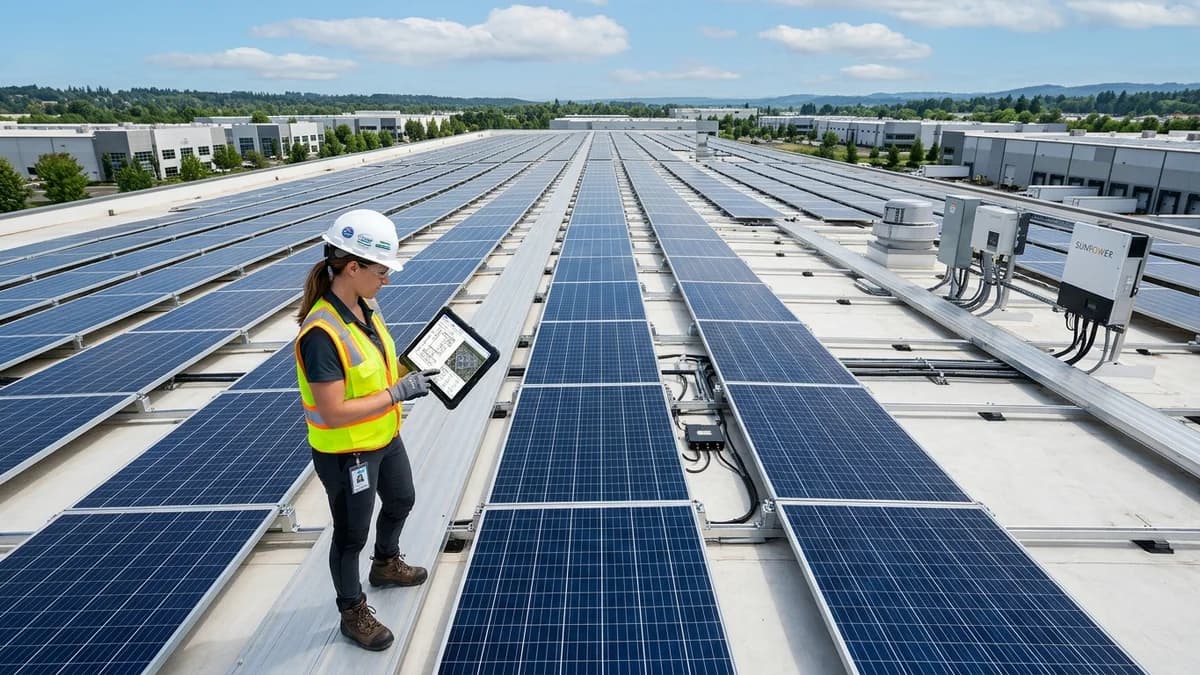
- Turnkey C&I Rooftop EPC (Recommended for Starters): Designing, installing, and synchronizing rooftop systems on industrial factories, cold storages, hospitals, universities, and commercial shopping centers. This model provides rapid turnaround (60–120 days per project) and healthy cash flow.
- Ground-Mounted Commercial Solar Parks: Developing captive or open-access ground arrays on vacant industrial land. While project sizes are substantially larger (2 MW to 20 MW), permitting and grid interconnection timelines are longer.
- Hybrid Microgrids and Battery Energy Storage Systems (BESS): Offering resilient power systems for mining operations, island resorts, and continuous-process manufacturing plants that require uninterrupted round-the-clock green power.
- Asset-Light Solar Engineering & Project Management Consultancy: Focusing strictly on system design, structural load analysis, 3D shadow modeling, procurement vetting, and site supervision while outsourcing physical construction to local electrical labor contractors.
2. Identify and Profile Your Target Enterprise Clients
Winning commercial contracts requires understanding the specific operational, financial, and regulatory triggers that compel enterprise leaders to invest in commercial solar.
Commercial and industrial energy consumers fall into distinct buyer personas:
A. Energy-Intensive Manufacturing Plants (Textile, Steel, Plastics, Auto Ancillary)
- Pain Point: Heavy daytime electricity consumption with high peak-hour grid tariffs and demand charges.
- Buying Trigger: Direct operating cost reduction, accelerated tax depreciation benefits, and lowering Levelized Cost of Energy (LCOE) to boost export competitiveness.
- What They Look For: High-efficiency Tier-1 PV modules (bifacial N-type TOPCon or HJT), proven structural mounting engineering for heavy factory roofs, and guaranteed system uptime.
B. Commercial Real Estate & Logistics Warehouses
- Pain Point: Vast unutilized roof surface area with moderate internal power needs or tenants seeking green amenities.
- Buying Trigger: Additional rental yields via net metering or corporate ESG compliance metrics to attract multinational corporate tenants.
- What They Look For: Non-penetrating rooftop mounting solutions that preserve roof waterproofing warranties, fire-safety compliance, and rapid turnaround.
C. Institutional Facilities (Hospitals, Universities, Research Parks)
- Pain Point: High monthly operational power overheads coupled with stringent carbon reduction goals.
- Buying Trigger: Predictable 25-year fixed power costs through Capex or Power Purchase Agreements (PPAs) that protect cash flows against utility tariff hikes.
- What They Look For: Zero-downtime installations, rigorous health and safety (HSE) protocols, and aesthetic building-integrated photovoltaic (BIPV) integration.
3. Calculate Your Project Costs and Master Pricing Architecture
Accurate project costing is what separates profitable solar EPC enterprises from those forced into insolvency by sudden cost overruns. In commercial solar, pricing is determined per watt-peak ($/Wp or ₹/Wp) based on a transparent Bill of Materials (BOM) and Balance of System (BOS) breakdown.
[Commercial Solar EPC Cost Stack]
┌────────────────────────────────────────────────────────┐ 45% - 55%
│ Tier-1 Photovoltaic Modules (TOPCon / Bifacial Mono)   │
├────────────────────────────────────────────────────────┤ 10% - 14%
│ Grid-Tie Inverters (String / Central with MPPT)        │
├────────────────────────────────────────────────────────┤ 12% - 16%
│ Balance of System (Mounting Structures, Cables, Switch)│
├────────────────────────────────────────────────────────┤ 8% - 12%
│ Civil Engineering, Mechanical Assembly & Electrical Work│
├────────────────────────────────────────────────────────┤ 5% - 8%
│ Permitting, DISCOM Clearances, Net Metering & Insurance│
├────────────────────────────────────────────────────────┤ 12% - 18%
│ Target Net EPC Margin & Contingency Reserve            │
└────────────────────────────────────────────────────────┘
Essential Financial Planning Checklist:
- Direct Equipment Costs: Negotiate bulk volume quotes for modules, inverters, DC cables, combiner boxes, lightning arresters, and corrosion-resistant hot-dip galvanized mounting structures.
- Soft Costs & Permitting Overheads: Factor in structural stability certifications from certified structural engineers, local electrical inspectorate (CEIG) approvals, environmental clearances, and grid interconnection testing fees.
- Working Capital and Cash Flow Staging: Never finance commercial projects out of your operating reserves. Establish a structured milestone payment schedule:
- 15% – 20%: Advance payment upon contract signing and design approval.
- 35% – 40%: Upon delivery of Tier-1 PV modules and structural steel to the job site.
- 25% – 30%: Upon completion of mechanical assembly, inverter installation, and cabling.
- 10% – 15%: Upon utility grid synchronization, net-metering signoff, and commercial commissioning.
- 5%: Retention held for 60 to 90 days or backed by a performance bank guarantee (PBG).
4. Build a Robust Tier-1 Supply Chain and Procurement Strategy
A commercial solar system is expected to generate power uninterrupted for 25 to 30 years. Using uncertified, B-grade modules or unbranded inverters to save a few pennies per watt is the fastest way to invite catastrophic equipment failure, warranty disputes, and irreparable reputational damage.
Procurement Best Practices:
- Source Strictly Tier-1 BloombergNEF (BNEF) Listed Modules: Leading brands provide third-party backed 25-year linear performance warranties (ensuring at least 84.8% performance at Year 25) and 12-to-15-year product workmanship warranties.
- Inverter Redundancy and MPPT Flexibility: Deploy multi-MPPT commercial string inverters (such as Sungrow, Huawei, SolarEdge, or SMA). Multiple MPPTs maximize energy yield on complex industrial rooftops with uneven shading or varying orientations.
- Mitigate Currency and Commodity Swings: Solar PV modules are traded internationally with prices tied to global silicon, silver, and freight indexes. Protect your contracts by including a standard 30-day quotation validity clause and raw material price indexation adjustments for orders exceeding 1 MW.
5. Master Regulatory Compliance, Interconnection & Permitting
Permitting delays are the single biggest bottleneck that can stall your project timelines and lock up your working capital. A complete commercial solar EPC business plan must document the regional regulatory pathway:
- Solar Policy & Subsidy Frameworks: Stay fully compliant with national frameworks—such as the PM Surya Ghar Muft Bijli Yojana or industrial net-metering schemes in India, the Inflation Reduction Act (ITC) clean energy tax credits in the USA, or equivalent regional European renewable directives.
- Net-Metering and Gross-Metering Interconnection: Verify maximum sanctioned substation transformer capacity with your local distribution company (DISCOM) before signing contracts to ensure the grid can absorb the client’s solar export.
- Electrical Safety and Earthing Standards: Implement chemical earthing with copper-bonded electrodes, dedicated lightning protection systems (ESE arresters), and dual-source isolation breakers to comply with national electrical building codes.
6. Build a High-Converting Digital Marketing & Inbound B2B Acquisition Engine
Traditional solar contractors rely on cold networking, trade exhibitions, and word of mouth. While referral networks are valuable, they are erratic and difficult to scale.
Modern enterprise executives—such as Chief Sustainability Officers, Procurement Directors, and Industrial Factory Owners—conduct extensive technical research online before ever reaching out to an EPC partner.
[Enterprise Inbound Acquisition Flow]
High-Intent Search Query ("commercial solar EPC contractor")
                         │
                         ▼
High-Performance Next.js Web Platform (Sub-second load speed)
                         │
                         ▼
Interactive Solar ROI & Tariff Savings Calculator (Instant Payback Analysis)
                         │
                         ▼
Verified Engineering Case Studies & Drone Footage Portfolio
                         │
                         ▼
Direct Site Survey Request & Engineering Consultation Scheduled
Digital Infrastructure Built for Solar EPCs:
To capture and convert seven-figure commercial contracts, your digital presence must convey supreme engineering capability:
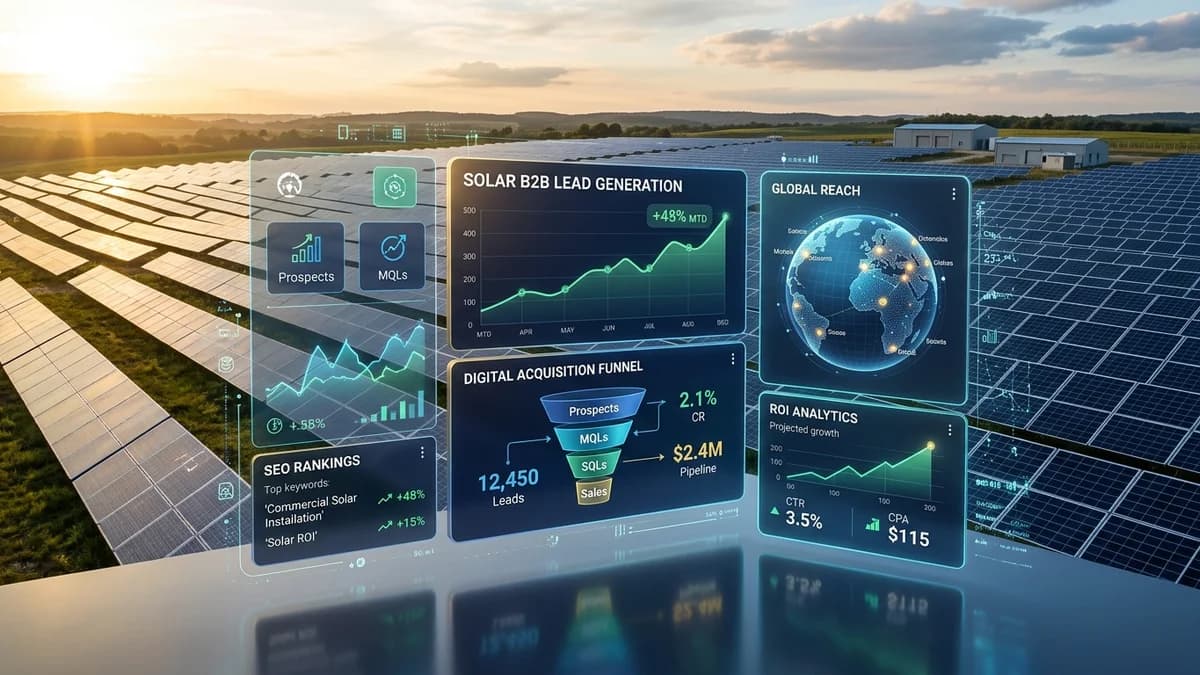
- Lightning-Fast Web Architecture: A sluggish, outdated WordPress website signals technical incompetence. High-growth clean energy firms partner with Joy Digital for custom website development, deploying custom Next.js platforms that load in under 800 milliseconds and showcase your completed megawatts seamlessly.
- Interactive Solar Payback & Carbon Offset Calculators: Provide an on-page interactive calculator where facility owners input their current monthly power bill or connected kVA load to instantly estimate capital payback period, accelerated depreciation savings, and lifetime CO2 reduction. Explore our specialized website design for solar companies to see how these interactive features boost conversion rates by over 300%.
- Authority-Building B2B SEO Strategy: Rank for high-value transactional queries such as "commercial solar EPC company", "industrial rooftop solar installation cost", and "PPA solar financing solutions" through targeted SEO services that filter out low-ticket residential inquiries.
- Founder Thought Leadership on LinkedIn: Share detailed technical teardowns, drone flight videos of completed factory installations, and inverter efficiency data to build unassailable founder authority among industrial decision-makers.
7. Scale Through Long-Term O&M Retainers and MW Growth Milestones
Winning the initial construction contract is only the first revenue stream. The true enterprise valuation of a commercial solar EPC company comes from locking in predictable, high-margin, recurring revenue through 10-to-25-year Operations and Maintenance (O&M) contracts.
Comprehensive Solar O&M Packages:
- IoT Remote Telemetry and SCADA Monitoring: Real-time string-level monitoring that alerts your engineering team the instant a string disconnects or an inverter reports an earth fault.
- Automated Module Cleaning Solutions: Robotized or semi-automated pressurized washing schedules to prevent soiling losses that can degrade power output by up to 25% in dusty industrial environments.
- Annual Drone Thermography Audits: Aerial infrared drone inspections to detect microscopic cell microcracks, diode failures, and hot spots before they escalate into fire hazards.
- Guaranteed Performance Ratio (PR) Contracts: Offering clients guaranteed 78%–82% PR guarantees with bonus/penalty structures that prove your unwavering confidence in your engineering quality.
Complete Project Lifecycle: From Initial Lead to Grid Commissioning
┌─────────────────────────────────────────────────────────────────────────────┐
│                 Commercial Solar EPC Project Execution Flow                 │
└─────────────────────────────────────────────────────────────────────────────┘
                                       │
                                       ▼
┌─────────────────────────────────────────────────────────────────────────────┐
│ 1. Feasibility & Site Survey: Drone topography, 3D shadow modeling, DISCOM  │
│    substation load assessment, and structural roof load validation.         │
└──────────────────────────────────────┬──────────────────────────────────────┘
                                       │
                                       ▼
┌─────────────────────────────────────────────────────────────────────────────┐
│ 2. Engineering & Design (FEED): Single-line diagrams (SLDs), string layout, │
│    civil mounting details, and PVSyst energy yield simulations.             │
└──────────────────────────────────────┬──────────────────────────────────────┘
                                       │
                                       ▼
┌─────────────────────────────────────────────────────────────────────────────┐
│ 3. Procurement & Staging: Direct factory ordering of Tier-1 PV modules,     │
│    inverters, galvanized structures, and lightning protection hardware.     │
└──────────────────────────────────────┬──────────────────────────────────────┘
                                       │
                                       ▼
┌─────────────────────────────────────────────────────────────────────────────┐
│ 4. Civil & Mechanical Assembly: Ballasted or non-penetrating roof clamps,   │
│    torque-tightened module bolting, cable trays, and AC/DC conduit routing. │
└──────────────────────────────────────┬──────────────────────────────────────┘
                                       │
                                       ▼
┌─────────────────────────────────────────────────────────────────────────────┐
│ 5. Electrical Integration & Commissioning: Inverter synchronization, CEIG   │
│    inspection, bidirectional net-meter installation, and SCADA monitoring.  │
└──────────────────────────────────────┬──────────────────────────────────────┘
                                       │
                                       ▼
┌─────────────────────────────────────────────────────────────────────────────┐
│ 6. Handover & 25-Year O&M: As-built drawings, warranties, preventative      │
│    maintenance schedules, and performance ratio (PR) monitoring.            │
└─────────────────────────────────────────────────────────────────────────────┘
Frequently Asked Questions (FAQs)
What is a commercial solar EPC business?
A commercial solar EPC (Engineering, Procurement, and Construction) business provides turnkey solar power solutions for commercial, industrial, and institutional clients. The company designs the photovoltaic system, procures Tier-1 equipment, oversees civil and electrical construction, and handles grid synchronization and regulatory approvals.
What startup capital is required to start a commercial solar EPC firm?
Initial working capital ranges from $50,000 to $250,000 (or ₹35 Lakhs to ₹1.5 Crores in India) depending on whether you operate as an asset-light engineering consultancy or a self-executing contractor. Most commercial EPCs utilize project-based milestone billing and vendor credit terms to minimize upfront cash requirements.
Which business model offers the highest margins in commercial solar?
Turnkey C&I (Commercial & Industrial) rooftop EPC paired with long-term 10-to-25-year Operations and Maintenance (O&M) contracts delivers the highest combined net margins (15-22% on construction plus steady 60%+ gross margins on annual remote monitoring and maintenance retainers).
How do commercial solar EPC contractors price large projects?
Projects are priced per watt-peak ($/Wp or ₹/Wp), incorporating the direct Bill of Materials (BOM) including PV modules, inverters, and mounting structures, Balance of System (BOS) electrical cabling, civil work, permits and interconnection fees, labor costs, and a target net margin between 12% and 18%.
What certifications are required to operate as an EPC contractor?
Requirements vary by region, but standard credentials include registered electrical contracting licenses, ISO 9001 (Quality) and ISO 45001 (Occupational Health & Safety) certifications, CEA/MNRE technical empanelment in India, NABCEP certifications in North America, and certified grid-tie safety compliance.
How can solar EPC contractors attract enterprise B2B clients?
Global commercial buyers rarely respond to generic cold calling. Successful EPCs scale via high-intent B2B search engine optimization (SEO), digital case studies, transparent ROI calculators on their website, founder thought leadership on LinkedIn, and strategic partnerships with commercial real estate facility managers.
Accelerate Your Solar Business Growth with Joy Digital
Launching and scaling a multi-megawatt commercial solar EPC business demands more than just outstanding engineering—it requires a dominant digital acquisition system that establishes instant technical credibility and fills your sales pipeline with qualified industrial decision-makers.
At Joy Digital, we engineer bespoke digital growth platforms specifically tailored for solar EPC contractors, renewable energy developers, and clean-tech enterprises:
- High-Converting Solar Web Architecture: Lightning-fast, mobile-responsive Next.js web applications featuring customized commercial payback calculators and interactive project galleries.
- Enterprise Solar SEO: Dominate Google search rankings for high-intent B2B queries that drive direct commercial inquiries from factory managers and corporate ESG directors.
- Turnkey Lead Generation Engines: Multi-step quote builders and automated WhatsApp integrations that turn website traffic into pre-qualified site survey appointments.
Ready to position your commercial solar business as an undisputed industry leader?
Explore Joy Digital's Web Solutions for Solar Companies or request your Free Website & SEO Performance Audit today to begin scaling your enterprise pipeline.
Recommended Services & Solutions
Frequently Asked Questions

Digital marketing strategist and Next.js web developer focusing on high-converting B2B web architecture, Core Web Vitals, and organic enterprise SEO.