Starting a tourism business is one of the most exciting entrepreneurial ventures in the global service economy. Whether your vision is launching an inbound safari outfit in East Africa, an experiential trekking agency in the Himalayas, a boutique cultural tour company in South Europe, or a luxury corporate retreat consultancy, the potential for high-yield growth is immense.
However, turning an inspiring travel concept into a sustainable, cash-flow-positive enterprise requires much more than a passion for exploring new destinations. Every year, hundreds of passionate travel founders launch tour companies only to stall within their first 18 months—not because their itineraries were unappealing, but because they lacked a cohesive tourism business plan.
A practical business plan is not an academic 80-page document created to gather digital dust in a drawer. It is an operational and financial blueprint that answers four fundamental questions:
- What exact value do you deliver, and under which business model?
- Who are your highest-paying target customers, and where do they discover you?
- What are your true operating costs, and how do you price for sustainable margins?
- How will your digital infrastructure convert international searchers into confirmed paying travelers?
Here is your end-to-end, practical guide to drafting, executing, and scaling an airtight tourism business plan.
1. Choose Your Tourism Business Model
The first strategic milestone in drafting your tourism business plan is deciding your core operational structure. Many novice operators make the fatal mistake of attempting to be "everything to everyone"—offering flight tickets, budget group transfers, luxury honeymoons, and corporate conferences simultaneously.
Specialization defines your brand positioning, your supplier bargaining power, and your marketing efficiency.
[Tourism Business Models Overview]
┌─────────────────────────────────┬──────────────────────────────┬──────────────────────────────┐
│ Model                           │ Capital Requirements         │ Margin Potential             │
├─────────────────────────────────┼──────────────────────────────┼──────────────────────────────┤
│ 1. Inbound Tour Operator (DMC)  │ Moderate ($10k - $30k)       │ High (20% – 35%)             │
│ 2. Outbound Travel Agency       │ Low ($3k - $10k)             │ Low-to-Moderate (8% – 15%)   │
│ 3. Niche Safari & Wildlife Outfitter │ High ($40k - $150k+)   │ Very High (25% – 40%)        │
│ 4. Day Tour & Activity Provider │ Moderate ($15k - $50k)       │ Moderate (15% – 25%)         │
│ 5. B2B Ground Wholesaler        │ Low-to-Moderate ($10k - $25k)│ Slim-to-Moderate (10% – 18%) │
└─────────────────────────────────┴──────────────────────────────┴──────────────────────────────┘
The 5 Primary Tourism Models Explained:
- Inbound Destination Management Company (DMC) / Tour Operator: You design, coordinate, and execute land arrangements within your local country or region. You contract directly with domestic hotels, local transport providers, and activity guides, catering to international travelers who demand reliable on-the-ground expertise.
- Outbound Travel Agency: You curate overseas vacation packages for domestic travelers heading abroad. You act primarily as an intermediary broker, aggregating airline tickets, foreign tours, travel insurance, and hotel reservations.
- Specialized Wildlife Safari & Adventure Operator: You own or lease specialized safari cruisers, hire licensed naturalists or mountaineering guides, and provide high-touch experiential expeditions. Margins are high, but customer expectations for safety, logistics, and comfort are uncompromising.
- Day Tour & Excursion Specialist: Focused on high-volume, standardized day trips (e.g., wine tastings, city architectural walking tours, scuba charters). Success depends heavily on volume, fast turnarounds, and local hotel concierge relationships.
- B2B Ground Supplier: You white-label your ground operations (vehicles, permits, guides) to overseas travel agencies that sell packages under their own brand but rely on your ground execution.
[!TIP] Best Practice for 2026: Launch as an asset-light Inbound Tour Operator or Specialized Experience Curator. Contract top-tier vehicles and certified freelance guides on a per-booking milestone basis before investing heavy capital in vehicle fleets or permanent brick-and-mortar offices.
2. Profile Your High-Yield Target Customers
A common trap in tourism planning is defining the audience simply as "travelers who love vacations." Vague targeting leads to generic marketing messages that fail to convert anyone.
In your business plan, segment your target customer base into specific buyer personas:
| Traveler Segment | Core Motivations & Priorities | Budget Profile | Preferred Booking Channel |
|---|---|---|---|
| High-Net-Worth Experiential (HNW) | Exclusivity, private guides, luxury lodges, frictionless concierge care | $5,000 – $25,000+ per trip | Direct website enquiries, luxury travel advisor referrals |
| Free Independent Travelers (FIT) | Authenticity, flexibility, transparent pricing, verified customer reviews | $1,500 – $4,500 per trip | Mobile search, direct website, WhatsApp messaging |
| Active Adventure & Eco-Tourists | Ethical footprint, small group size, wildlife preservation, safety certifications | $2,000 – $6,000 per trip | Niche travel blogs, organic Google search (SEO), Instagram |
| Overseas B2B Travel Agents | Dependable execution, wholesale net pricing, rapid quote turnarounds (<12 hrs) | Recurring annual trade volume | B2B trade portals, email proposals, travel expos (WTM, ITB) |
Key Questions to Clarify:
- Origin Geography: Are your guests flying in from North America, Western Europe, the GCC/Middle East, or neighboring domestic cities?
- Trip Horizon: Do they book 6 to 9 months in advance (typical for international African safaris or Arctic cruises), or 7 to 14 days out (typical for regional weekend getaways)?
- Pain Points & Anxieties: Are they worried about safety, medical evacuation, payment security, dietary preferences, or hidden local fees?
By explicitly identifying these nuances in your business plan, you can tailor your itineraries, web pages, and communication tone directly to their psychological buying triggers.
3. Calculate Startup Costs, Operational Overheads, and Pricing
Underestimating startup costs and miscalculating package pricing are the primary reasons travel startups encounter cash-flow crunches. Your tourism business plan must separate initial startup capital from monthly operating expenses and unit-level package costs.
A. Typical Tourism Startup Capital Breakdown
[Sample Asset-Light Inbound Tour Startup Budget: $15,000 - $25,000]
├── Legal Licensing, Business Registration & Insurance  : $2,500 – $4,500
├── Professional High-Converting Website (Next.js)      : $3,500 – $7,000
├── Brand Identity, Itinerary Templates & Collateral    : $1,000 – $2,000
├── Direct Supplier Deposits & Contingency Float        : $4,000 – $6,000
└── Initial Organic SEO & Target Digital Marketing      : $2,500 – $4,000
B. Fixed vs. Variable Operating Costs
- Fixed Costs: Ongoing expenses incurred whether you serve 0 or 50 travelers a month:
- Commercial general liability & tour operator indemnity insurance
- Software subscriptions (Itinerary builders, CRM, accounting, cloud hosting)
- Marketing retainers and digital infrastructure maintenance
- Office rent (if applicable) and core executive salaries
- Variable Costs (Cost of Goods Sold - COGS): Expenses incurred strictly per guest:
- Hotel/lodge accommodation tariffs
- Vehicle fuel, toll fees, and vehicle maintenance per kilometer
- Driver-guide per diems, meals, and park entry permits
- Activity entrance fees (boat charters, national parks, museum passes)
- Credit card processing and wire transaction fees (2.5% to 4%)
C. The Package Pricing Formula
Avoid arbitrary pricing based on what competitors charge. Many competitors operate under flawed cost models or are in debt. Instead, use the Gross Margin Target Formula:
$$\text{Package Retail Price} = \frac{\text{Direct Variable Costs Per Person} + \text{Allocated Overhead Share}}{1 - \text{Target Gross Margin Percentage}}$$
Example:
- Total direct per-person land cost for a 5-day package: $1,200
- Allocated overhead & contingency reserve (8%): $150
- Total cost baseline: $1,350
- Target gross margin: 30% (0.30) $$\text{Retail Selling Price} = \frac{$1,350}{1 - 0.30} = \frac{$1,350}{0.70} = \mathbf{$1,928.57}$$
This ensures that every booking leaves your business with a genuine gross profit of $578.57 to cover sales taxes, marketing acquisition costs, and net reinvestment capital.
4. Product Development & Itinerary Packaging
In modern tourism, travelers do not buy generic transportation or hotel rooms—they buy curated, stress-free outcomes. Your product development section should define how you assemble standard travel components into compelling, branded itineraries.
Best Practices for Winning Itineraries:
- The "Good-Better-Best" Triad: Offer each core itinerary in three distinct tiers (e.g., Classic Comfort, Premium Explorer, and Ultra-Luxury Private). This satisfies different budget brackets without diluting your brand.
- Transparent Inclusions & Exclusions: Eliminate post-booking friction by clearly itemizing what is covered. Vague descriptions like "some meals included" create mistrust. Clearly state: "Includes 4 nights boutique accommodation, all breakfast + dinner, private 4x4 transport with English-speaking naturalist, and all park conservation fees. Excludes international flights, visa fees, and personal gratuities."
- Pacing and Logistics: Avoid overloading days. A common beginner flaw is packing 6 activities into a single day, leaving guests exhausted and generating negative reviews. Balance active excursions with leisurely cultural immersion.
- Day-by-Day Storytelling: Frame itineraries with evocative, benefit-driven headlines:
- Instead of: "Day 3: Transfer to Serengeti"
- Write: "Day 3: Journey Across the Great Rift Valley into the Heart of the Serengeti"
To explore foundational technical components that modern tour platforms need, read our deep-dive on essential tourism website features.
5. Build an Engine for Marketing and Customer Acquisition
How will travelers discover your business? In the past, tour operators relied on printed travel catalogs, physical high-street storefronts, and third-party wholesalers. Today, the entire customer discovery journey begins on digital screens.
[Modern Digital Tour Customer Acquisition Funnel]
                     Targeted Organic SEO
                  (e.g., "Best Kenya Safari Operator")
                               │
                               ▼
               Fast, Custom Tourism Website (Joy Digital)
                   ├── Verified Trust Badges & Licenses
                   ├── Day-by-Day Interactive Itineraries
                   └── Transparent Tiered Package Pricing
                               │
                               ▼
                Frictionless Multi-Channel Lead Capture
                   ├── 1-Click WhatsApp Direct Chat
                   └── Dynamic Multi-Step Quote Customizer
                               │
                               ▼
                 High-Margin Direct Booking Secured
                     (Zero 20% OTA Commission Paid)
Strategic Acquisition Channels to Prioritize:
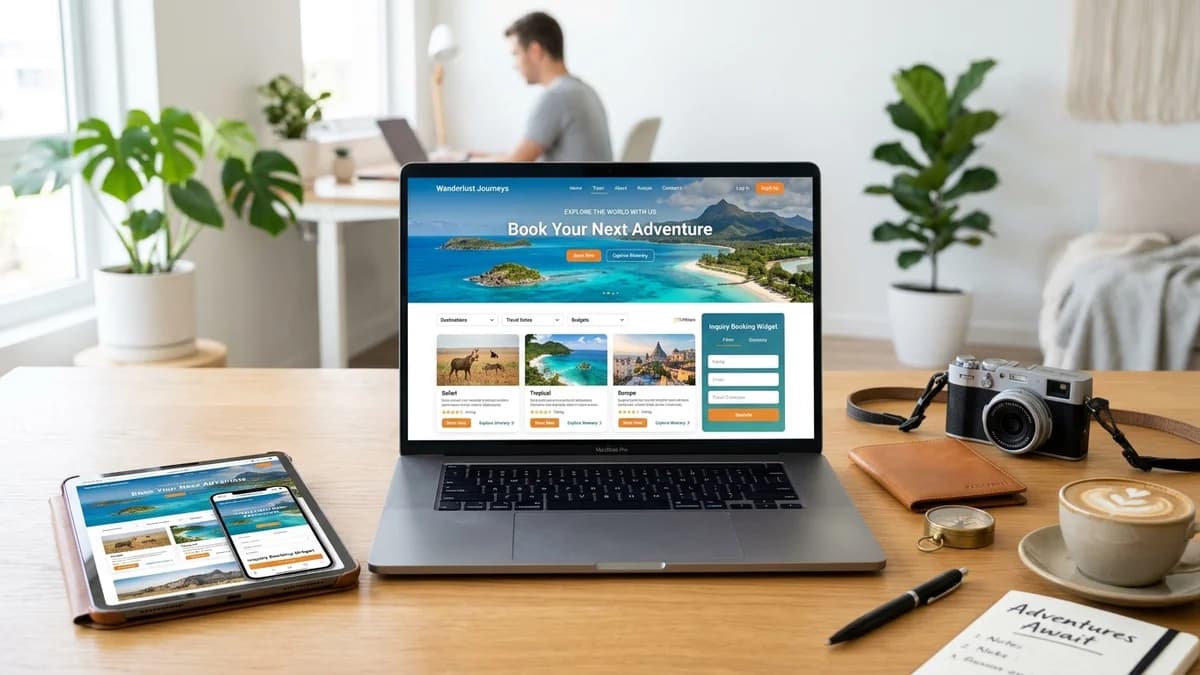
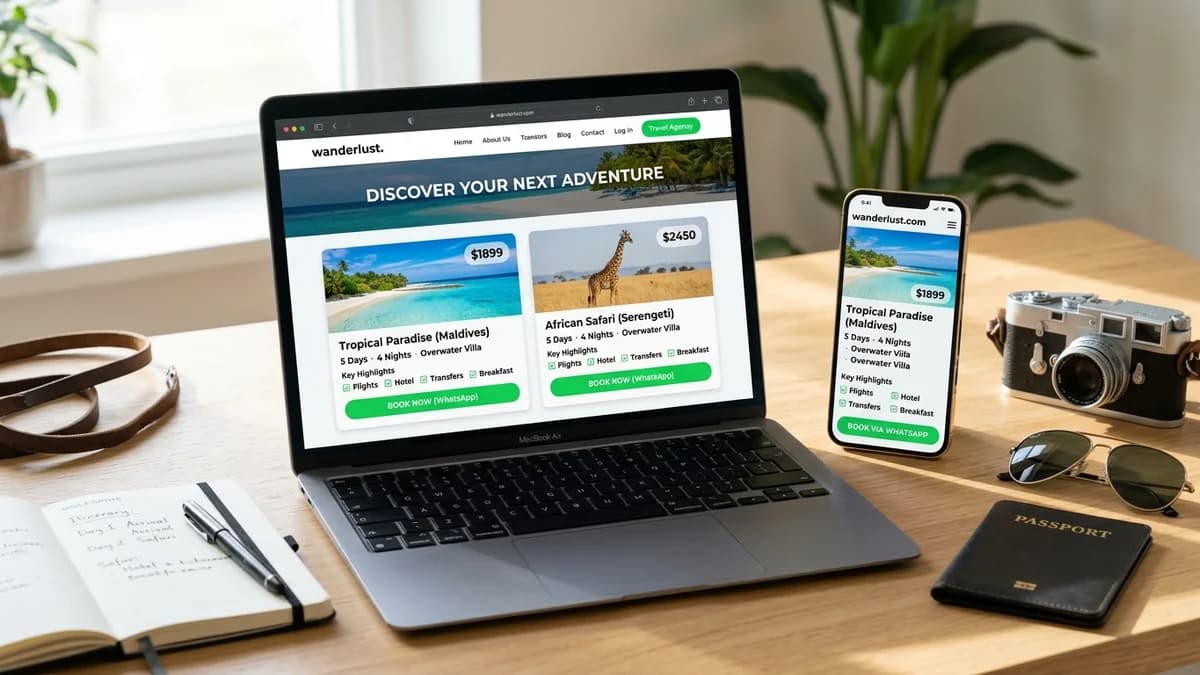
- High-Performance Dedicated Tourism Website: Your website is your primary digital storefront and highest-ROI sales asset. If your site is slow, cluttered, or built on bloated legacy templates, international travelers will immediately bounce to competitors. A custom, mobile-optimized site built with modern web architecture (like Next.js) delivers lightning-fast page speeds, flawless mobile responsiveness, and bank-grade security. Learn why this matters in our guide on why your tourism business needs a professional website.
- Search Engine Optimization (SEO): Rather than paying $5 to $12 per click on Google Ads indefinitely, invest in organic SEO. Target specific, long-tail commercial intent keywords:
- "7-day private safari itinerary Tanzania"
- "Family-friendly cultural tours in Rajasthan"
- "Luxury adventure travel operator for small groups"
- Bypass Third-Party OTA Dependency: While listing a few entry-level tours on platforms like Viator or GetYourGuide can generate early brand exposure, relying on them as your sole revenue channel costs you 15% to 25% of your total revenue. Build an owned direct booking channel to keep 100% of your earnings. See our strategic playbook on how tour operators can stop losing 25% to OTAs and drive direct bookings.
- Social Proof & Visual Storytelling: Travel is emotional and intensely visual. Use Instagram, YouTube, and short-form video to document real guest moments, behind-the-scenes guide expertise, and scenic panoramas. Pair this with live Google Reviews and TripAdvisor widgets embedded on your package pages.
6. Operations, Legal Licensing, and Supplier Relations
Operational resilience is the difference between a travel hobby and a thriving enterprise. Your business plan must document legal compliance, risk mitigation, and supplier service level agreements (SLAs).
Key Operational Safeguards:
- Business Registration & Tourism Board Accreditations: Secure your national tourism ministry license and join respected trade associations (e.g., KATO, TATO, ASTA, ATTA). These badges build instant authority with foreign guests transferring funds overseas.
- Comprehensive Passenger Liability Insurance: Never operate without robust commercial liability coverage that protects both your guests and your firm in the event of transit delays, vehicle accidents, or medical emergencies.
- Supplier Vetting and SLA Contracts: Establish written agreements with your primary hoteliers and vehicle providers. Define minimum standards for cleanliness, air conditioning, driver conduct, and guaranteed refund terms in the event of cancellations.
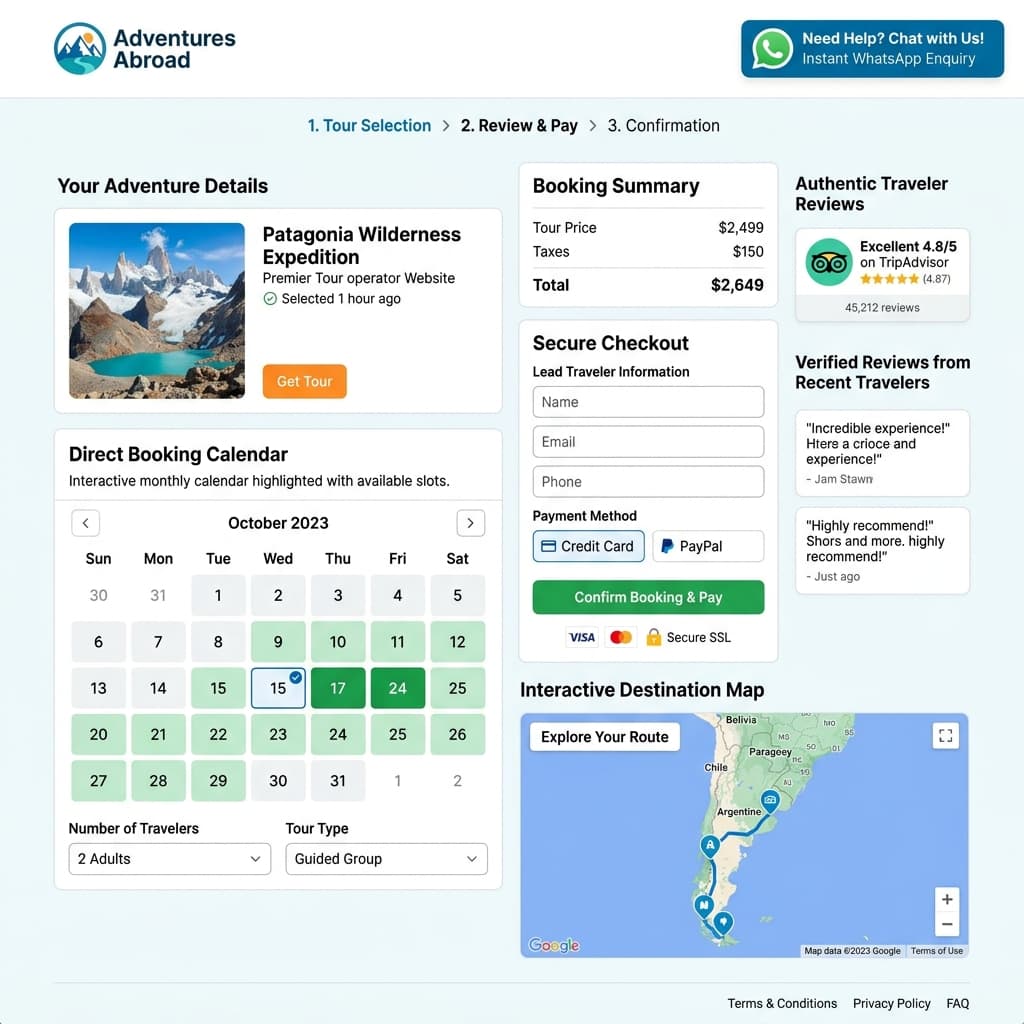
- Payment Gateways & Deposit Schedules: International travelers require trusted, encrypted payment options. Implement multi-currency credit card processing (Stripe, Pesapal, Flutterwave) paired with transparent payment milestones:
- 30% non-refundable deposit upon itinerary confirmation
- 70% balance due 45 days prior to arrival
7. Track Growth KPIs & Scaling Roadmap
Set clear financial and operational milestones for your first three years of operation. Measure progress with actionable metrics rather than vanity indicators like social media likes:
[Key Performance Indicators for Tourism Operators]
├── Lead-to-Inquiry Conversion Rate  : Target > 3.5% of website visits
├── Inquiry-to-Booking Close Rate   : Target 18% – 28% of qualified leads
├── Average Order Value (AOV)       : Target annual 10-15% increase via tiered upsells
├── Customer Acquisition Cost (CAC) : Keep CAC < 8% of total package gross revenue
└── Net Promoter Score (NPS)        : Target > 85% post-trip 5-star ratings
3-Year Scaling Horizon:
- Year 1 (Validation & Groundwork): Solidify primary itineraries, launch a custom high-speed web presence, secure direct supplier contracts, and fulfill the first 30 to 50 bookings with meticulous 5-star attention.
- Year 2 (Organic Scaling & Efficiency): Compound organic SEO search rankings, expand direct booking revenue to 70%+ of total volume, introduce premium package tiers, and streamline CRM automated email follow-ups.
- Year 3 (Asset Expansion & B2B Partnerships): Explore leasing branded private safari vehicles or boutique vessels, onboard overseas B2B agency partnerships, and launch complementary regional destination circuits.
Frequently Asked Questions (FAQs)
What is a tourism business plan and why is it essential?
A tourism business plan is a strategic roadmap outlining your business model, target traveler profiles, operational logistics, cost structures, pricing formulas, and digital marketing acquisition channels. It prevents cash flow shortfalls, clarifies your competitive differentiation, and helps secure bank financing or investor backing.
How much capital does it cost to start a tourism business?
Startup capital varies widely depending on your operational model. An asset-light travel agency or bespoke tour consultancy can launch with $3,000 to $10,000 (focusing primarily on website development, legal licensing, and marketing). In contrast, a fully equipped safari company or fleet-owning tour operator typically requires $40,000 to $150,000+ for 4x4 vehicles, guide certifications, and seasonal cash reserves.
Which tourism business model generates the highest profit margins?
Private customized experiential tours, luxury wildlife safaris, and niche adventure travel packages yield the highest margins (often 25% to 35%+ net profit). Asset-heavy mass-market bus tours, by contrast, frequently operate on razor-thin margins of 8% to 12% due to intense price competition and high fixed overheads.
How should tour operators calculate package pricing?
Calculate total direct variable costs per person (transport, accommodation, park fees, activities, guide per diems), add an allocated percentage for fixed operational overheads (insurance, software, office), factor in seasonal cancellation contingencies (5-10%), and apply a minimum 20-30% net profit margin.
How do modern travel businesses generate direct bookings without relying on OTAs?
Operators generate direct bookings by building a custom high-performance website with sub-second page speeds, targeting high-intent commercial travel keywords through search engine optimization (SEO), showcasing transparent day-by-day itineraries, and integrating frictionless 1-click WhatsApp quote requests.
Ready to Turn Your Tourism Business Plan into Confirmed Direct Bookings?
A well-crafted business plan gives you clarity, but your digital platform determines your execution speed and profitability.
At Joy Digital, we engineer custom, lightning-fast travel and tour operator websites built on cutting-edge Next.js architecture. We integrate interactive day-by-day itineraries, seamless multi-currency payment gateways, and aggressive organic search engine optimization (SEO) designed to attract high-paying international travelers directly to your inbox.
👉 Claim Your Free Website & SEO Audit Report — Receive a thorough 20+ point audit of your travel web architecture, page speed benchmarks, and international SEO ranking opportunities.
Explore our dedicated industry solutions:
Recommended Services & Solutions
Frequently Asked Questions
Digital marketing strategist and Next.js web developer focusing on high-converting tourism web architecture, Core Web Vitals, and organic international travel SEO.